
RULESSWASTE
RUral stakehoLder’s Engagement Strategy to boost Sustainable
food Waste mAnagement viSibility and social accepTancE
Empowering rural villages in Asturias to reduce food waste through community engagement, awareness actions, and an innovative blockchain-based management platform.
SMP-FOOD-2024
ABOUT
Project
Building Sustainable Food Habits in Rural Areas
Local Action. Community Awareness. Real Impact.
RULESSWASTE works with five rural municipalities in Asturias to identify critical points in the food system, empower local actors, and develop practical interventions that support Harvest Valorization and improve daily habits. Through collaboration and evidence-based actions, the project supports communities in advancing harvest valorization and adopting long-term sustainable practices.

Harvest Valorization Through Community-Driven Solutions
The project promotes behavioural change by raising awareness, improving access to information, and enabling empowered citizens to engage with practical tools. Each intervention is adapted to the realities of rural environments, ensuring solutions that are simple, scalable, and socially accepted.
ABOUT
Partners
RULESSWASTE is developed by a committed two-member consortium that brings together digital innovation and strong territorial presence. NARIA coordinates the project and leads the technological and methodological components, while CAPSA ensures local impact through its deep connection with rural communities in Asturias


News & Events
From a validated prototype to on-site validation
A tool designed for rural areas has to work well on the drawing board, and then in the village. RULESSWASTE has completed the first part and is now opening the second. A prototype that works end to end In August 2026, NARIA’s food-surplus management team put the first...
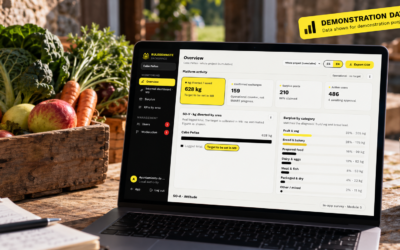
Making food waste measurable: the role of data in RULESSWASTE
One of the main challenges identified by RULESSWASTE is the lack of previous direct measurement of food waste in the selected rural territories. The D2.1 diagnosis provided a strong perception-based and qualitative baseline, but it also made clear that future...
A platform to connect people, territories and surplus food
RULESSWASTE has reached a new milestone with the development of Deliverable D3.1: the first prototype of the food waste prevention platform. This prototype is part of Work Package 3 and has been developed by NARIA as a web-based and mobile-accessible tool designed to...
Turning diagnosis into action: the next step for RULESSWASTE
Completing the diagnosis is not the end of the process. It is the point where RULESSWASTE begins to move from understanding the problem to designing responses. The results of D2.1 provide a clearer view of the territories, the actors involved, the perceived hotspots...
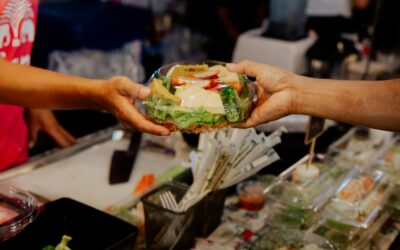
From diagnosis to evidence: what RULESSWASTE has learned from rural food systems
RULESSWASTE has reached an important milestone with the completion of Deliverable D2.1, the project’s food waste diagnosis across the selected rural case studies. This deliverable consolidates the first evidence base of the project and provides a clearer understanding...
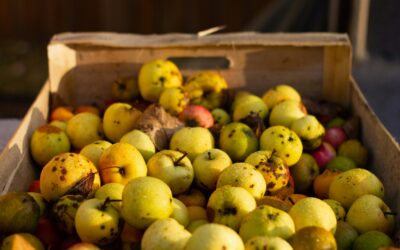
From local perceptions to shared priorities
Reducing food waste is not only a technical challenge. It is also a matter of identifying shared priorities and understanding what types of action can realistically work in each territory. In rural areas, this is especially important. Solutions need to reflect local...

Kick-off Meeting
Kick-off meeting of RULESSWASTE with NARIA, CAPSA. We will review objectives, planned actions and next milestones for reducing food waste in the participating municipalities.
Tuesday - September 2, 2025


This project has recieved funding from the European Single Market Programme (SMP-FOOD-2024-FW-STAKEHOLDERS-PJ) under the Grant Agreement: 101216689

Funded by the European Union. Views and opinions expressed are however those of the author(s) only and do not necessarily reflect those of the European Union. Neither the European Union nor the granting authority can be held responsible for them.

