Sep 18, 2026 | News
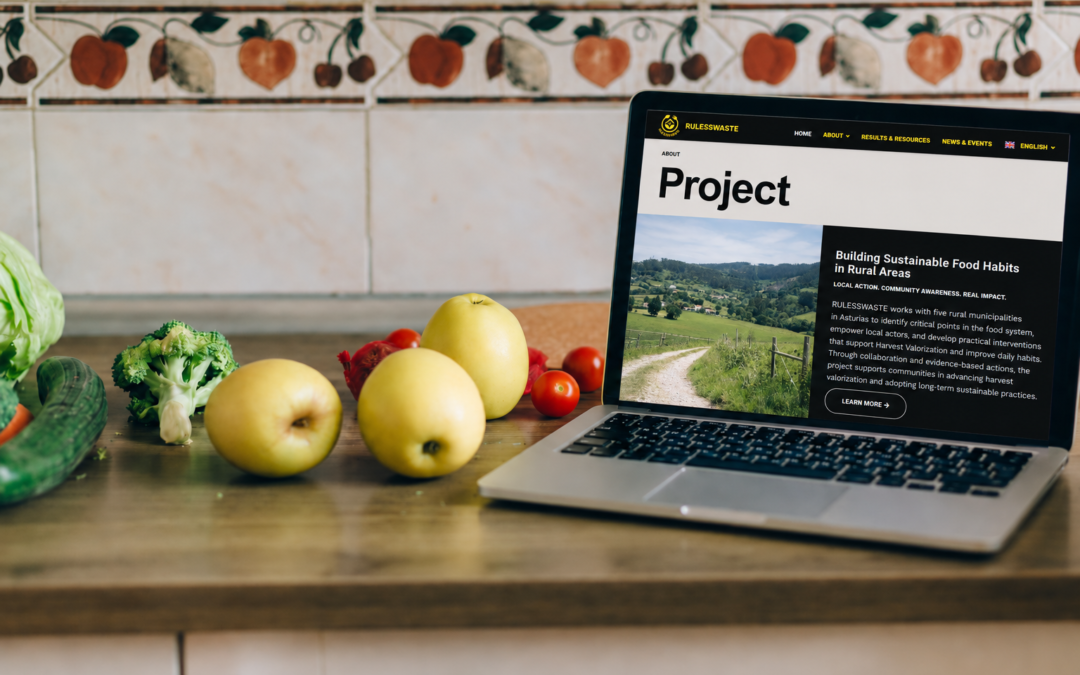
RULESSWASTE has reached a new milestone with the development of Deliverable D3.1: the first prototype of the food waste prevention platform. This prototype is part of Work Package 3 and has been developed by NARIA as a web-based and mobile-accessible tool designed to...

Aug 7, 2026 | News
Completing the diagnosis is not the end of the process. It is the point where RULESSWASTE begins to move from understanding the problem to designing responses. The results of D2.1 provide a clearer view of the territories, the actors involved, the perceived hotspots...

Jul 30, 2026 | News
RULESSWASTE has reached an important milestone with the completion of Deliverable D2.1, the project’s food waste diagnosis across the selected rural case studies. This deliverable consolidates the first evidence base of the project and provides a clearer understanding...
Jun 12, 2026 | News
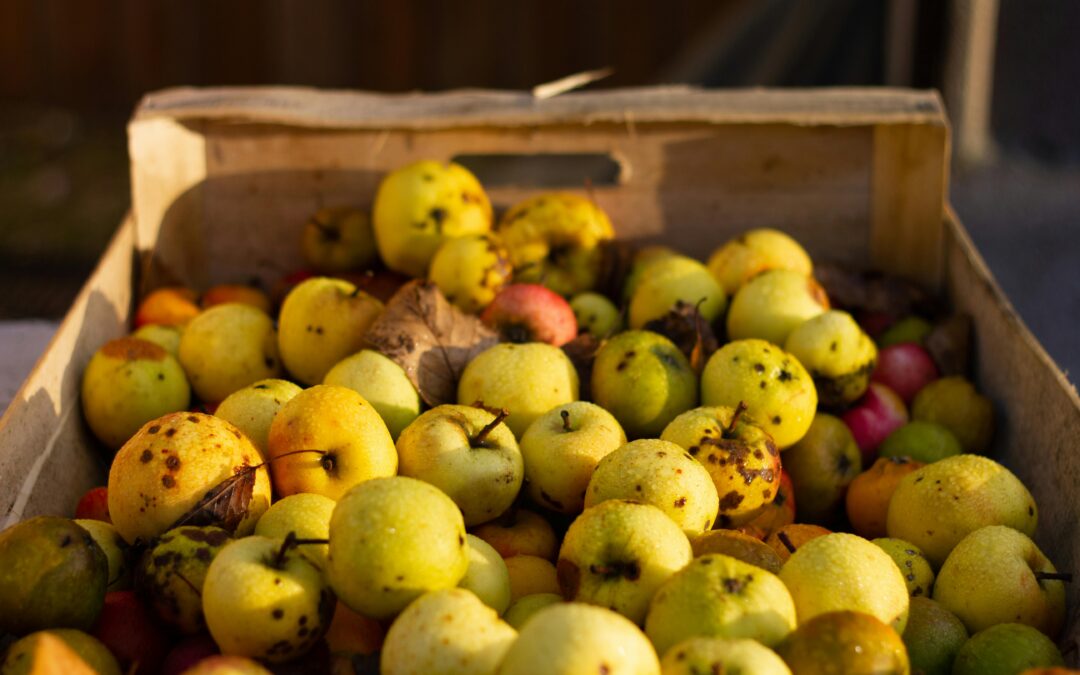
Reducing food waste is not only a technical challenge. It is also a matter of identifying shared priorities and understanding what types of action can realistically work in each territory. In rural areas, this is especially important. Solutions need to reflect local...
Jun 5, 2026 | News
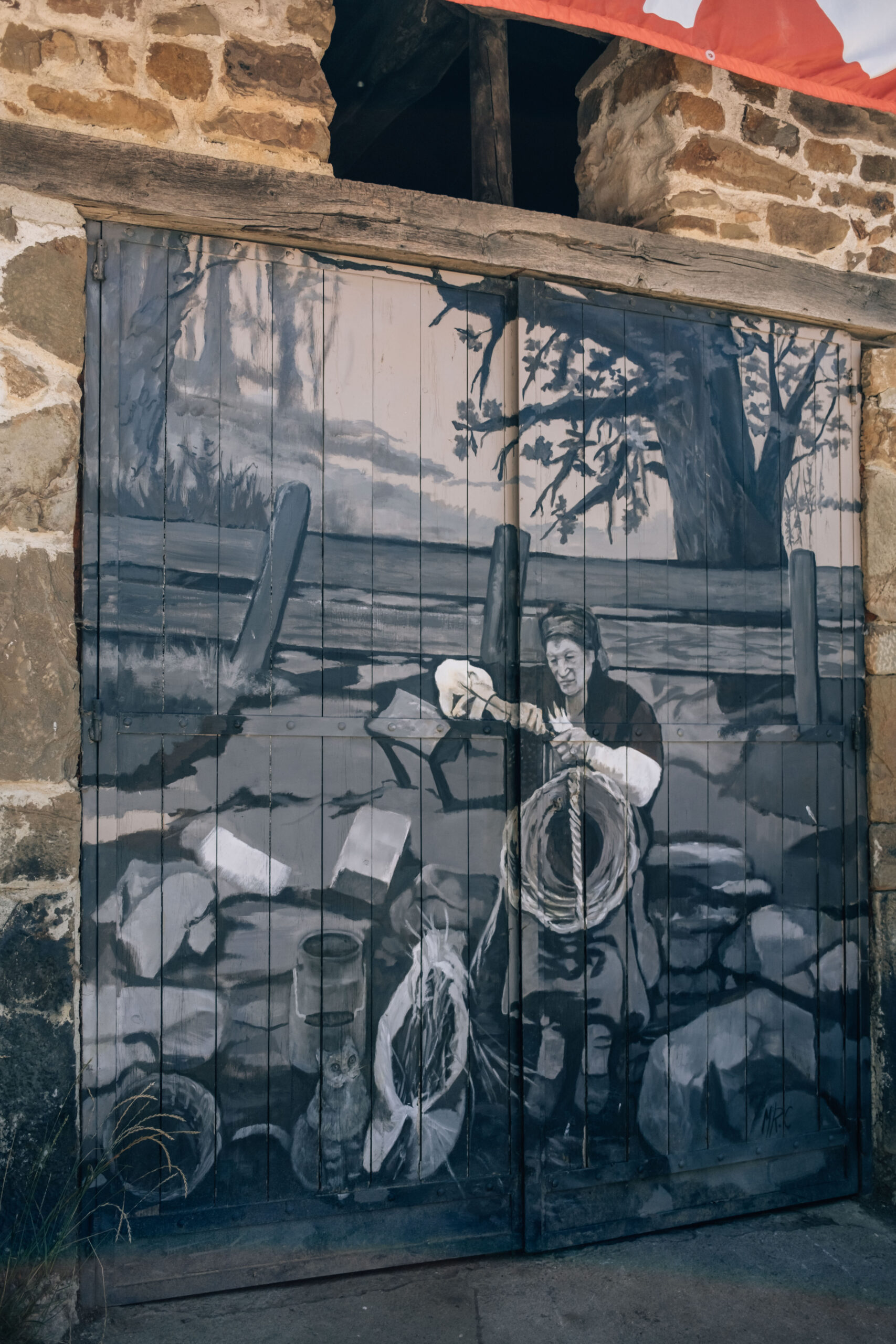
Understanding food waste in rural areas requires listening before designing solutions. Food systems are not abstract structures. They are shaped by people, routines, local businesses, producers, community networks and public actors. For this reason, any meaningful...
Apr 30, 2026 | News
From complexity to structure: how food waste is analysed Food waste is often discussed as a visible problem: food that is discarded, lost or not consumed. However, what is less visible is the process required to understand it in a structured way. In practice,...


