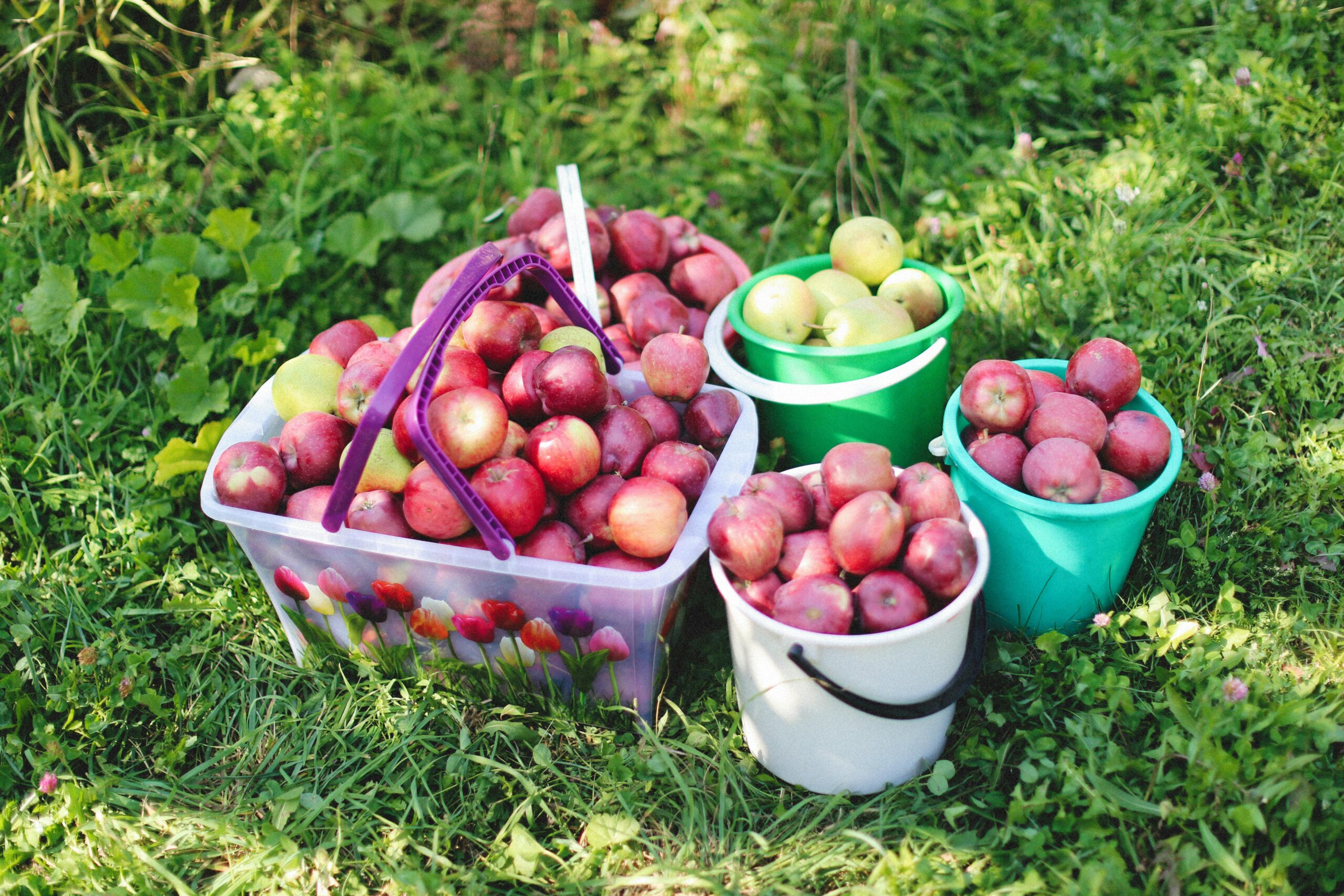
Food waste is often framed as an urban problem, linked to large-scale distribution systems or consumer behaviour in cities.
However, rural areas operate under very different conditions — and understanding these differences is essential to address the issue effectively.
A system shaped by proximity
In rural contexts, production, distribution and consumption are often more closely connected.
This proximity can reduce inefficiencies, but it can also create specific challenges: limited infrastructure, logistical constraints or seasonal fluctuations that affect how food is produced, distributed and consumed.
These dynamics are not always captured in conventional data.
The challenge of visibility
One of the main barriers to addressing food waste in rural areas is the lack of detailed and structured information.
Without a clear understanding of where and why waste occurs, it is difficult to design targeted interventions.
This is why the diagnostic phase of RULESSWASTE plays a key role.
From understanding to action
By focusing on rural territories, the project seeks to build a more accurate picture of local food systems and identify opportunities for improvement that are both realistic and context-specific.
The objective is not only to measure food waste, but to understand it in relation to the people, practices and systems that shape it.
Because solutions that work in rural areas are not imported — they are built from within.